Why Choose Home Care Medical Equipment?
Home care medical equipment can turn a difficult recovery into a safer, more manageable daily routine. A properly adjusted walker may reduce pressure on a painful knee. A hospital bed can help a caregiver reposition someone without straining their back. Even a shower chair can make a wet bathroom less frightening.
The choice should begin with the person, not the product. Dr. Mary Tinetti, a leading geriatrician and researcher, said, “What matters most to patients is not what’s the matter with them, but what matters to them.” That principle fits home care closely. Equipment should support personal goals, such as standing safely, sleeping better, or remaining near family.
Qualified clinicians can assess mobility, strength, breathing, home layout, and caregiver capacity. They may recommend wheelchairs, oxygen equipment, transfer benches, pressure-relief mattresses, or monitoring devices. Reliable suppliers should provide fitting instructions, maintenance guidance, and responsive technical support. They should also explain limitations clearly.
A product can look impressive online and still be unsuitable. A wheelchair that is too wide may block a hallway. A poorly fitted cane may increase fall risk. These details matter.
Home care medical equipment is not a substitute for professional care. It works best with clinical evaluation, user training, and regular reassessment. Needs can change after surgery, illness, or a small loss of balance. Sometimes, the most responsible choice is replacing equipment—or admitting that home support needs to increase. That honest pause may prevent a serious accident.
What Is Home Care Medical Equipment?
Why Choose Home Care Medical Equipment?
What Is Home Care Medical Equipment?
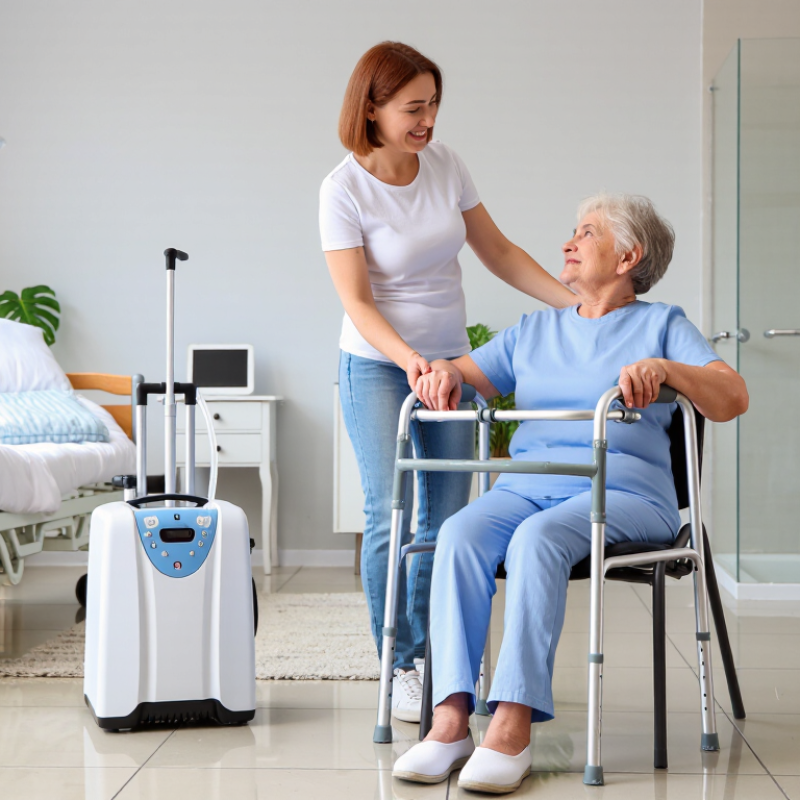
Home care medical equipment includes devices used safely in a person’s home. These devices support treatment, mobility, monitoring, hygiene, and daily independence. Common examples include adjustable beds, walkers, wheelchairs, transfer aids, blood pressure monitors, and oxygen equipment.
The equipment should match a person’s clinical needs and home environment. A narrow hallway can make a large wheelchair impractical. A loose shower chair can create a serious fall risk. WHO and UNICEF reported in the Global Report on Assistive Technology 2022 that more than 2.5 billion people need assistive products worldwide. Nearly one billion people lack access. That gap shows why careful assessment matters. However, equipment alone cannot replace trained guidance, regular review, or human care.
Tips: Ask a qualified healthcare professional to assess fit, weight limits, maintenance, and user training. Measure doorways before purchasing mobility equipment. Check whether batteries, filters, or replacement parts are available locally. Keep instructions beside the device. Small details matter. The FDA also advises consumers to understand medical device risks and follow professional instructions. A common mistake is choosing the most advanced device, rather than the simplest suitable one. That choice deserves reflection.
Why Choose Home Care Medical Equipment?
What Is Home Care Medical Equipment?
Home care medical equipment helps people manage daily activities safely and comfortably at home. Mobility aids, bathroom safety equipment, hearing devices, and vision-support products can address common functional difficulties and support greater independence.
The chart shows the approximate percentage of U.S. adults reporting selected disability types in 2022. Source: U.S. Centers for Disease Control and Prevention, Disability and Health Data System.
Which Health Needs Can Home Care Equipment Support?
Why Choose Home Care Medical Equipment?
Which Health Needs Can Home Care Equipment Support?
Home care medical equipment can support people recovering from surgery, managing disabilities, or living with long-term conditions. A properly adjusted walker may reduce fall risks during short trips across the room. Grab bars can offer steadier support near a shower or toilet. For someone with limited mobility, a hospital-style bed may make repositioning less painful and safer.
Breathing needs may also require practical support at home. Clinicians may recommend monitoring devices, nebulizers, or oxygen equipment after a careful assessment. These tools can help track changes, but they do not replace professional care. Blood pressure monitors and pulse oximeters can support daily records. Accurate results depend on correct placement, regular cleaning, and calm measurement.
Small details matter. A wheelchair that fits poorly can cause pressure, fatigue, or unsafe transfers. In practice, caregivers often notice problems after several days, not immediately. That is why equipment should match the user’s strength, home layout, and treatment plan. Ask a qualified healthcare professional to assess fit and training needs. Not every device fits every person. Reassessment is sometimes necessary.
How Home Care Equipment Improves Daily Living
Why Choose Home Care Medical Equipment?
How Home Care Equipment Improves Daily Living
Home care equipment can make ordinary routines safer and less exhausting. A raised toilet seat may reduce painful bending after surgery. A shower chair can help someone bathe without standing for long periods. Small changes matter. They can protect dignity.
In daily use, comfort depends on correct selection and setup. A healthcare professional should assess height, balance, strength, and the home layout. For example, a walker that is too tall may strain the shoulders. Loose rugs can also turn helpful equipment into a hazard. Clear pathways are essential. So is regular cleaning.
A realistic note: the first setup is rarely perfect. A caregiver may need to adjust the seat height or move furniture. Users should follow professional instructions and report pain, dizziness, or unstable movement. Equipment should be checked for worn grips, loose screws, and damaged wheels. Reliable guidance from qualified clinicians and reputable medical sources can prevent avoidable mistakes. However, equipment cannot replace human support when someone needs supervision. A quiet hand nearby may still be necessary during a difficult transfer.
What Factors Guide the Choice of Home Care Equipment?
Why Choose Home Care Medical Equipment?
Choosing home care medical equipment should begin with the person, not the product. Consider mobility, strength, diagnosis, daily routines, and caregiver support. A device must fit the user’s body and the home’s physical layout. Measure doorways, bed height, bathroom space, and floor surfaces before ordering. Clinicians can help match equipment to treatment goals and reduce preventable risks. Professional assessment matters, especially after surgery, illness, or a sudden loss of independence.
Look for clear instructions, stable construction, simple controls, and easy cleaning. Check weight limits and required maintenance. A cheaper option may create higher costs if it fails quickly. It is easy to overvalue appearance. Practical comfort usually matters more.
Tips: Ask whether the equipment improves a specific daily task. Test transfers, reach, balance, and storage space when possible. Confirm who will install it and teach safe use. Keep emergency contacts and instruction sheets nearby. Review the setup after several days, because early assumptions can be wrong. Watch for skin pressure, pain, dizziness, loose parts, or changing mobility. Report concerns to a qualified healthcare professional instead of modifying safety features yourself. Reliable equipment supports care, but it cannot replace clinical judgment or regular reassessment.
Why Choose Home Care Medical Equipment? - What Factors Guide the Choice of Home Care Equipment?
| Decision Factor | What to Assess | Why It Matters | Useful Selection Indicators | Recommended Action |
|---|---|---|---|---|
| Clinical Need | The user’s diagnosis, symptoms, mobility level, treatment plan, and expected duration of use. | Equipment should support the intended care goal and should not replace professional assessment. | Prescription or care-plan requirements, required positioning, weight-bearing limits, therapy goals, and frequency of use. | Confirm the equipment type and essential functions with a qualified healthcare professional. |
| Safety and Stability | Risk of falls, transfers, slipping, tipping, entrapment, and incorrect operation. | Poorly matched equipment can increase the risk of injury or make daily care more difficult. | Stable base, secure brakes or locks, non-slip contact points, visible controls, safety warnings, and appropriate support surfaces. | Test stability and demonstrate safe operation before regular use. |
| User Fit and Dimensions | User height, body weight, body shape, posture, reach, and transfer ability. | Incorrect dimensions may cause discomfort, pressure, poor support, or unsafe positioning. | Seat width and depth, support height, maximum user weight, adjustment range, and clearance around the body. | Measure the user and compare measurements with the product’s technical specifications. |
| Home Environment | Doorways, corridors, flooring, stairs, bathroom layout, electrical outlets, and storage space. | Equipment must fit the home and allow safe movement, transfers, cleaning, and emergency access. | Overall width and length, turning space, floor compatibility, power requirements, and transport dimensions. | Measure the intended route and room before purchase, rental, or delivery. |
| Ease of Use | The user’s strength, dexterity, vision, hearing, memory, and ability to follow instructions. | Simple controls can improve independence and reduce user or caregiver errors. | Clear labels, accessible controls, manageable weight, easy adjustment, audible or visual alerts, and readable instructions. | Have the actual user perform the main tasks under supervision. |
| Caregiver Requirements | Number of caregivers, physical workload, training needs, and care schedule. | Equipment should support safe assistance without creating unnecessary lifting or handling risks. | Transfer aids, height adjustment, maneuverability, cleaning access, and compatibility with the care routine. | Include caregivers in product trials and review safe-use training requirements. |
| Adjustability and Growth | Whether the user’s condition, strength, mobility, or care needs may change. | Adjustable equipment may remain useful as needs change and can improve positioning over time. | Adjustable height, angle, support position, removable components, and upgrade or replacement options. | Choose only adjustments that are clinically appropriate and easy to use correctly. |
| Hygiene and Infection Control | Contact with skin, bodily fluids, moisture, food, or contaminated surfaces. | Regular cleaning and disinfection are important for equipment used in personal care. | Smooth surfaces, removable washable covers, sealed components, compatible cleaning agents, and drying requirements. | Follow the care instructions and establish a documented cleaning routine. |
| Power and Reliability | Whether the equipment uses electricity, batteries, compressed gas, or manual operation. | Power interruptions, depleted batteries, or maintenance failures may affect safe care. | Battery runtime, charging time, backup procedure, alarm functions, service intervals, and failure indicators. | Prepare a backup plan for equipment that is essential to daily care. |
| Maintenance and Support | Inspection, servicing, replacement parts, repairs, and technical assistance. | Regular maintenance helps preserve performance and identify wear or damage. | Maintenance schedule, inspection points, parts availability, user manuals, training, and repair response arrangements. | Keep purchase, service, cleaning, and training records in an accessible place. |
| Regulatory and Quality Information | Applicable safety requirements, labeling, instructions, and documented performance information. | Clear documentation supports informed use, training, and risk management. | Instructions for use, warnings, intended purpose, technical limits, inspection guidance, and applicable local requirements. | Review the complete documentation and verify that the equipment is suitable for the intended use. |
| Total Cost of Ownership | Purchase or rental cost, delivery, installation, consumables, servicing, repairs, and replacement. | The lowest initial price may not represent the lowest long-term cost or best value. | Expected service life, warranty terms, recurring supplies, maintenance costs, rental flexibility, and disposal needs. | Compare the full cost over the expected period of use rather than the initial price alone. |
| Portability and Storage | Need for travel, room-to-room movement, vehicle transport, or temporary use. | Portable equipment can support continuity of care but may involve trade-offs in size, weight, or stability. | Folded dimensions, carrying weight, wheel design, battery requirements, storage conditions, and transport limits. | Check transport and storage requirements before selecting a portable model. |
Note: Home care equipment should be selected according to the user’s individual needs and used in accordance with professional guidance, manufacturer instructions, and applicable local safety requirements.
How to Use and Maintain Home Care Medical Equipment Safely
Home care medical equipment can support safer recovery, mobility, breathing, and daily independence.
Yet safe use depends on routine, not confidence. The World Health Organization estimates that more than 2.5 billion people need assistive products worldwide, with access remaining unequal. That scale makes correct home handling increasingly important.
Read the instructions before switching on a device. Ask a nurse, therapist, or supplier to demonstrate each step.
Keep tubing straight, cords away from walking paths, and controls within reach. Check wheels, brakes, batteries, seals, and alarms before every use.
Clean surfaces with the approved method, then let them dry fully. Never place electrical equipment near a sink.
Small checks matter.
The CDC reports that one in four adults aged 65 and older falls each year. A loose cable or poorly adjusted walking aid can add avoidable risk.
Oxygen equipment needs extra care because heat, flames, and smoking can cause fires. Store cylinders upright and follow the prescribed flow rate.
Do not change settings because symptoms feel worse. Contact a qualified clinician instead.
A dated maintenance log can record cleaning, battery changes, unusual sounds, and service visits. It is simple, but not perfect.
I would still recheck the device after another person adjusts it. The U.S. Food and Drug Administration advises reporting device problems and following manufacturer instructions, rather than attempting uncertain repairs.
Replace damaged parts through authorized clinical channels.
Sources: World Health Organization, Assistive Technology Fact Sheet, 2023; Centers for Disease Control and Prevention, Facts About Falls, 2024; U.S. Food and Drug Administration, Medical Device Reporting.
Related Posts
-
7 Tips for Choosing Home Care Medical Equipment
-

China Best Home Healthcare Equipment Options for Your Needs?
-

What is Care Equipment and How to Choose the Right One?
-
Top 10 Home Health Equipment Buyers Guide for Global Procurement?
-
2026 Best Medical Supplies Equipment for Global Buyers?
-
How to Choose the Best Health Equipment Store?