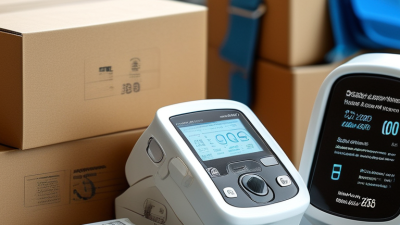
How to Choose the Best Health Equipment Store?
Choosing a health equipment store is not just a matter of finding the lowest price. The right supplier can make daily care safer, more comfortable, and easier to manage. A rushed choice, however, may leave you with equipment that does not fit, unclear instructions, or little support after purchase. Small details matter: the width of a wheelchair through a doorway, the height of a shower seat, or how quickly replacement parts can be supplied.
Surgeon and health-systems expert Atul Gawande wrote in Better, “Better is possible. It does not take genius. It takes diligence.” That principle fits equipment shopping well. A dependable store should explain product options in plain language, answer questions without pressure, and help customers compare features against their actual needs. Ask about fitting, delivery, setup, warranties, returns, and repair services. Check whether staff can explain safe use and when a clinician should guide product selection. A polished website alone is not proof of good service.
Look beyond the product shelf. Do staff listen carefully? Are prices and limitations easy to understand? Can you inspect items or arrange a demonstration before buying? These checks are especially useful for mobility aids, bathroom safety products, and home-care equipment. Still, no store can guarantee that every product will suit every person. That deserves honest consideration. This guide outlines practical ways to assess a health equipment store, spot warning signs, and choose with greater confidence—without treating a salesperson’s advice as a substitute for professional care.

Identify Your Health Equipment Needs and Usage Requirements
Before comparing stores, write down what the equipment must help you do. Is it for daily mobility, recovery after surgery, monitoring at home, or occasional support? Note who will use it, how often, and where. A walker used across a narrow hallway has different requirements from one kept beside a car. Measure doorways, storage space, and stair access. Check user height, weight limits, grip strength, and whether another person can help with setup. Small details matter.
The World Health Organization and UNICEF reported in their 2022 Global Report on Assistive Technology that more than 2.5 billion people need one or more assistive products, while nearly one billion lack access. That scale is a reminder that needs vary widely; one product does not fit everyone. Ask a clinician or qualified therapist about fit and safe use, especially for mobility or monitoring equipment. Then ask stores about demonstrations, delivery, setup, maintenance, and return terms. Get specifics. A product that works in a showroom may be awkward beside your bed or on a bus. It is easy to overbuy. I would also list what feels uncomfortable or uncertain, because those details can change the right choice.
How to Choose the Best Health Equipment Store: Check Your Space Requirements
Before choosing mobility equipment, measure the spaces where it will be used. These ADA accessibility dimensions offer useful reference points for clear floor space, doorways, and turning areas.
How to use this: Compare your home measurements with these clearances when discussing equipment fit and maneuverability with a qualified professional. These are ADA building-accessibility dimensions, not equipment dimensions or medical recommendations. Source: 2010 ADA Standards for Accessible Design (Sections 304, 305, and 404).
Compare Store Credentials, Product Range, and Brand Selection
Choosing a health equipment store takes more than comparing prices. Check whether staff can explain fitting, safe use, cleaning, and maintenance in plain language. Ask who handles repairs and how quickly replacement parts arrive. For items such as walkers or blood-pressure monitors, a short demonstration can reveal more than a polished product page. Credentials matter, but confirm what each credential covers; accreditation is not a guarantee that every product suits you.
Range matters because needs change. The WHO and UNICEF Global Report on Assistive Technology (2022) estimates that 2.5 billion people need one or more assistive products, with demand expected to rise to 3.5 billion by 2050. A store with options across sizes, features, and price points can make comparisons easier. Still, a huge catalogue is not automatically better. Look for clear specifications, warranty terms, and guidance on when a clinician should help select equipment. Compare brands by published testing, service access, and replacement-part availability—not packaging claims.
Tips
Call before visiting. Ask to try the equipment on the same floor surface you use at home, and check whether delivery includes setup. Bring your measurements or clinician’s recommendations. Small detail, big difference. I would also ask about returns before buying; that step is easy to forget, and fit can feel different after a full day.
Check Product Quality, Safety Standards, and Compatibility
Choosing a health equipment store means checking the item, not just the shelf price. Ask for the manufacturer’s instructions, warranty terms, and service contacts before paying. For powered equipment, request evidence of applicable IEC 60601-1 safety testing. This standard addresses basic safety and essential performance for medical electrical equipment. Check that the label and paperwork identify the same model. A certificate alone is not enough.
The 2022 WHO–UNICEF Global Report on Assistive Technology estimates that 2.5 billion people need assistive products. It projects this number could reach 3.5 billion by 2050. Fit and access are practical concerns, not minor details. Measure doorways, bed height, and storage space. Check user weight limits, power requirements, and compatible accessories. For mobility or respiratory equipment, confirm adjustments and consumables with a qualified clinician. One small mismatch can leave equipment unused.
Look for clear cleaning instructions, replacement-part availability, and staff who can explain safe setup without pressure. Ask whether the manufacturer uses a quality system such as ISO 13485. Certification can support process control, but it does not prove a particular product fits your needs. Read the repair and return policies carefully. I would still recheck dimensions at home; measurements are easy to get wrong. That’s worth doing.
Evaluate Pricing, Delivery Options, and After-Sales Support
How to Choose the Best Health Equipment Store?
A low price can look attractive until delivery, assembly, or return fees appear. Compare the full cost, including taxes, shipping, setup, and any removal charges. Check whether the listed price covers the exact model and accessories you need. Ask for a written quote if details seem unclear. Small print matters.
Tips: Measure doorways and stairs before ordering. Confirm delivery dates, carrying options, and setup costs. Keep your receipt and save the store’s warranty and return policies.
After-sales support matters when equipment arrives damaged or needs adjustment. Find out how to contact support and how quickly the store usually responds. Ask whether replacement parts are available and whether service visits cost extra. A clear warranty should state what is covered, for how long, and what could void coverage. Read recent customer feedback for specific examples, not just star ratings. I would still treat reviews cautiously; one complaint may not tell the whole story. Before paying, get key promises in writing and check the return window.
How to Choose the Best Health Equipment Store? - Evaluate Pricing, Delivery Options, and After-Sales Support
| Evaluation Dimension | What to Compare | Signs of a Reliable Offer | Questions to Ask Before Buying |
|---|---|---|---|
| Pricing and total cost | Item price, taxes, shipping, setup, accessories, and any recurring costs. | A written, itemized quote clearly identifies required and optional charges. | Does the quoted total include delivery, installation, essential accessories, and taxes? |
| Product suitability | Intended use, user needs, measurements, weight limits, adjustment range, and compatibility. | Product specifications are available, and staff can explain how to match them to the intended use. | What measurements or clinical guidance should be checked before choosing this equipment? |
| Delivery options | Delivery area, estimated lead time, shipping cost, tracking, and delivery to the room or doorstep. | Delivery terms and any additional handling or assembly fees are disclosed before checkout. | What is the estimated delivery window, and what happens if delivery is delayed or the item arrives damaged? |
| Returns and exchanges | Return period, eligibility, condition requirements, restocking charges, and return shipping. | The policy is easy to find and explains how opened, assembled, or hygiene-sensitive items are handled. | Can this item be returned if it does not fit or meet the stated requirements? |
| Warranty coverage | Coverage period, covered parts, exclusions, claim process, and who provides service. | Written warranty terms explain how to request repairs or replacement and what documentation is needed. | Who handles a warranty claim, and are labor, shipping, and replacement parts covered? |
| After-sales support | Support hours, contact methods, troubleshooting help, repair access, and replacement-part availability. | Customers can reach a support team and receive clear instructions for service or routine maintenance. | How can I get help after purchase, and where can the equipment be serviced? |
| Setup and training | Assembly requirements, installation availability, user instructions, and training options. | Instructions are provided, and any paid setup or training service is described in advance. | Is professional setup recommended, and is it included in the quoted price? |
| Safety and documentation | Product labeling, instructions for use, maintenance guidance, and applicable regulatory information. | The seller provides product documentation and does not make unsupported medical claims. | Can I review the instructions, safety information, and maintenance requirements before ordering? |
| Payment and order terms | Accepted payment methods, deposit requirements, cancellation terms, and order confirmation. | Payment terms are clear, and the order confirmation records the product, price, and delivery details. | When is payment due, and what are the cancellation terms if the item is delayed? |
Comparison tip: Request written quotes for the same equipment specifications and compare the full delivered cost, return terms, warranty coverage, and support—not just the displayed price. Availability, delivery times, and policies vary by location and seller.
Review Customer Feedback, Return Policies, and Warranty Terms
Customer feedback is most useful when it describes the same equipment you plan to buy. Look for repeated comments about assembly, stability, noise, and replacement parts—not just star ratings. In BrightLocal’s 2024 Local Consumer Review Survey, 75% of U.S. consumers said they regularly or always read online reviews for local businesses. That finding is not specific to health equipment, so treat it as context, not proof of product quality. Check whether reviews mention actual use over time. “Arrived quickly” tells you little about a treadmill’s reliability after six months. Details matter.
Read the return policy before ordering, especially for bulky or assembled equipment. The NRF and Appriss Retail estimated that U.S. retail returns reached $743 billion in 2023, or 14.5% of annual sales; this figure covers retail broadly, not health equipment alone. Confirm the return window, condition requirements, pickup costs, and any restocking fee. Then read the warranty line by line. Check how long parts and labor are covered, which components are excluded, and who pays shipping for repairs. Warranty language can be surprisingly easy to misread. A generous-looking term may cover the frame but not electronics, labor, or in-home service. If a policy leaves those details unclear, ask for written clarification before paying.
Related Posts
-
2026 Best Medical Supplies Equipment for Global Buyers?
-

China Top 10 Home Medical Equipment and Supplies?
-
How to Create a Comprehensive Medical Equipment List for Your Practice?
-

What is Medical Equipment Parts and How to Source Them?
-
10 Essential Tips for Choosing American Medical Equipment
-

Top 10 Medical Equipment Supplies in China for Global Buyers?