How to Choose Home Healthcare Equipment in 2026?
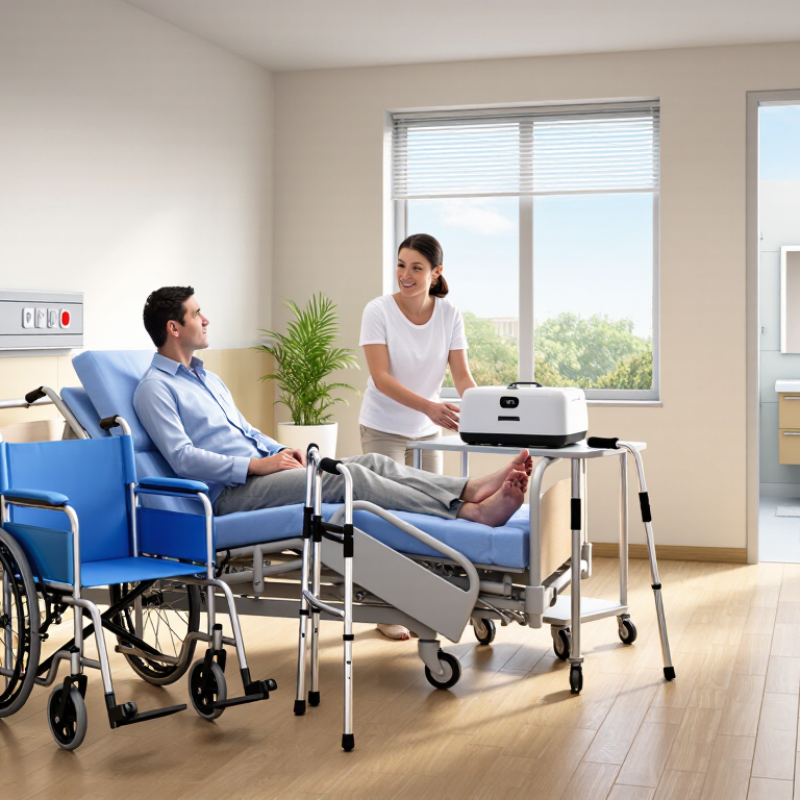
Choosing home healthcare equipment in 2026 requires more than comparing prices online. The right choice should support safety, independence, comfort, and daily routines. A walking aid, blood pressure monitor, hospital bed, or oxygen-related device may affect several people at home. Careful decisions matter.
Start with the user’s actual needs, not the most advanced product description. A clinician, occupational therapist, or qualified homecare professional can identify mobility, respiratory, and cognitive requirements. Measure doorways, bed height, bathroom space, and electrical access before purchasing. A compact shower chair may fit beautifully, yet become unstable on a wet floor.
Reliable home healthcare equipment should include clear instructions, accessible customer support, and documented safety testing. Check weight limits, battery performance, cleaning requirements, warranty terms, and replacement-part availability. In 2026, connected devices may offer useful alerts and remote monitoring. However, extra features can create privacy concerns, confusing settings, or unnecessary costs. Simpler may be safer.
Real household experience also deserves attention. Can an older adult read the display at night? Can a caregiver operate the controls with one hand? What happens during a power failure? No checklist is perfect. Needs can change after surgery, a fall, or a new diagnosis. Reassess the equipment regularly, and involve the person who will use it every day. A trusted supplier and qualified healthcare professional can help confirm whether the product remains appropriate, maintained, and safe.
Define Home Healthcare Needs and Care Goals
Choosing home healthcare equipment in 2026 should begin with needs, not products. Define the care goal first. Is the priority safer bathing, easier transfers, medication management, or continued independence? The World Health Organization projects that one in six people worldwide will be aged 60 or older by 2030. This shift makes practical, home-based support increasingly important. A useful assessment records mobility, balance, vision, cognition, pain, and caregiver availability.
Ask what happens during an ordinary morning. Can the person stand from a low chair? Can they reach the bathroom without holding furniture? These details guide equipment choices more accurately than a diagnosis alone. A shower seat may support bathing, while a transfer aid may reduce strain during movement.
A licensed clinician should assess fit, weight limits, electrical safety, and correct use. Small errors matter.
AARP’s 2024 Home and Community Preferences Survey reported that 75% of adults aged 50 and older want to remain in their current homes.
That preference should shape care goals, but it should not become an assumption. Some equipment feels helpful initially yet creates clutter, dependence, or false confidence.
Reassess after illness, falls, or changes in strength. I would also admit one uncomfortable point: families often buy what looks reassuring, not what solves the daily problem. Measure the room, involve the user, and test the routine before committing.
Identify the Main Types of Home Healthcare Equipment
Choosing home healthcare equipment starts with identifying the main types needed for daily safety and independence. The World Health Organization’s Global Report on Assistive Technology (2022) estimates that more than 2.5 billion people need at least one assistive product. That figure may exceed 3.5 billion by 2050.
Mobility equipment includes walkers, wheelchairs, transfer benches, and adjustable beds. Look for stable frames, suitable seat height, and easy-to-clean surfaces. Respiratory equipment includes oxygen concentrators, nebulizers, and airway-support devices. These require professional assessment, correct settings, and regular maintenance. Monitoring equipment covers blood pressure monitors, pulse oximeters, thermometers, and glucose meters. Simple displays help, especially when eyesight or dexterity is limited.
Daily-living aids can include raised toilet seats, shower chairs, grab bars, dressing tools, and medication organizers. Wound-care and continence supplies also matter, but product choice should follow clinical guidance. The CDC’s National Center for Health Statistics reports that older adults commonly live with multiple chronic conditions, making one-device solutions unreliable. Fit matters. A monitor can be accurate yet difficult to use. A walker can be strong yet unsafe on a narrow hallway rug. No checklist is perfect. Reassess equipment after falls, surgery, medication changes, or reduced strength. Small errors matter.
Compare Safety, Comfort, Features, and Ease of Use
When choosing home healthcare equipment in 2026, safety should come before appearance. The World Health Organization reports that falls cause about 37.3 million injuries requiring medical attention each year. A stable frame, non-slip feet, rounded edges, and visible weight limits matter more than extra functions. Check whether the equipment fits the user’s height, doorway width, and transfer routine. Ask a physical or occupational therapist to observe real movement, not just read the product label.
Comfort affects whether equipment is actually used. Look for breathable seat materials, adjustable supports, low-pressure contact points, and controls that work with limited grip strength. The CDC reports that more than 3 million older adults receive emergency treatment for fall injuries annually in the United States. A poorly positioned handle or slippery cushion can create risk during ordinary tasks. Small details matter. However, “more padding” is not always better; excessive softness may reduce stability and make standing harder.
Useful features should simplify care, not add confusion. Clear alarms, large labels, battery backup, washable surfaces, and tool-free adjustments can support family caregivers. The AARP 2024 Home and Community Preferences Survey found that 75% of adults aged 50 and older want to remain in their current homes. That preference makes ease of maintenance essential. Test the equipment at home if possible. I would not trust a device that feels impressive in a showroom but awkward beside the bed. Forecasts and specifications can help, yet daily handling reveals weaknesses that reports cannot.
| Equipment Type | Best Suited For | Safety Considerations | Comfort Factors | Useful Features | Ease of Use | Key Buying Checks |
|---|---|---|---|---|---|---|
| Rollator Walker | People who can walk independently but need balance support and a place to rest. | High when correctly fitted Lockable hand brakes, stable four-wheel design, reflective elements, and a suitable handle height are important. |
Padded seat, ergonomic handles, adjustable height, and a backrest can reduce fatigue during outdoor or extended use. | Hand brakes, storage basket or pouch, foldable frame, seat, backrest, and larger wheels for uneven surfaces. | Generally easy Requires sufficient hand strength to operate and lock the brakes. |
Check user height and weight limits, brake operation, folded dimensions, wheel size, seat height, and whether the frame remains stable when seated. |
| Manual Wheelchair | Users with limited walking ability who can be pushed by a caregiver or propel the chair themselves. | Depends on configuration Wheel locks, anti-tip devices, footrest clearance, secure seating, and correct occupant fit are essential. |
Seat width and depth, back support, pressure-relieving cushion, armrest style, and adjustable footrests affect comfort and posture. | Quick-release wheels, removable armrests, elevating leg rests, transit tie-down points, and folding or rigid frames. | Moderate Self-propulsion requires upper-body strength and good coordination; caregivers need safe pushing and folding techniques. |
Measure seat width, seat depth, overall width, turning space, ramp access, user weight, cushion requirements, and vehicle transport needs. |
| Powered Wheelchair or Mobility Scooter | People who cannot safely walk longer distances and need powered mobility indoors, outdoors, or both. | Requires training Consider speed control, braking, anti-tip design, visibility, battery safety, ramps, doorway clearance, and transfer stability. |
Adjustable seating, suspension, armrests, leg support, and a properly positioned control system improve comfort and control. | Adjustable speed, joystick or tiller controls, lighting, horn, battery indicator, suspension, and removable batteries where appropriate. | Moderate Users need adequate vision, reaction time, steering ability, and safe charging habits. |
Verify turning radius, total width, ground clearance, range under realistic conditions, charging location, battery type, and local transport rules. |
| Adjustable Homecare Bed | People who spend extended periods in bed or need safer positioning, transfers, or caregiver access. | High when properly set up Locking casters, suitable side-rail use, low-height settings, emergency lowering, and pinch-point protection should be assessed. |
Adjustable head and leg sections, pressure-redistributing mattress, quiet movement, and a suitable bed height support comfort and posture. | Electric height adjustment, back and knee elevation, handset controls, under-bed clearance, and compatible over-bed table or trapeze. | Moderate Controls are usually simple, but caregivers may need training for positioning, transfers, and rail use. |
Check room dimensions, mattress compatibility, safe working load, minimum height, power-cord placement, backup lowering method, and cleaning access. |
| Pressure-Redistributing Mattress | People with reduced mobility or increased risk of skin breakdown who spend significant time in bed. | Important preventive support It does not replace regular repositioning, skin checks, nutrition, hydration, or professional assessment. |
Foam density, alternating-air settings, temperature control, noise level, and the user’s body weight affect comfort. | Water-resistant cover, adjustable air pressure, low-air-loss ventilation, CPR deflation function, and pump alarms on powered models. | Moderate Powered systems require correct installation, electrical access, and routine alarm checks. |
Match the mattress to the user’s weight, mobility, skin-risk level, bed size, transfer method, cleaning needs, and caregiver capacity. |
| Shower Chair or Bath Bench | People who are unable to stand safely for the duration of a shower or bath. | High when stable and correctly placed Non-slip feet, drainage holes, arm support where needed, and adequate bathroom clearance reduce risk. |
Contoured seat, backrest, padded surfaces, adjustable height, and a seat width appropriate for the user improve comfort. | Height adjustment, removable back or arms, swivel seat, sliding transfer bench, and handheld shower compatibility. | Generally easy Transfers may still require caregiver support, grab bars, or professional assessment. |
Measure tub or shower width, seat height, door clearance, floor slope, user weight, transfer side, and foot placement. |
| Raised Toilet Seat or Toilet Safety Frame | People who have difficulty lowering onto or rising from a standard-height toilet. | High when securely installed Look for locking hardware, stable arm supports, adequate clearance, and compatibility with the toilet type. |
Seat height, opening shape, padded armrests, and easy-clean surfaces affect comfort and hygiene. | Adjustable height, removable arms, splash guard, tool-free attachment, and integrated support handles. | Generally easy Installation must be checked regularly for looseness or movement. |
Confirm toilet shape, bowl dimensions, required height increase, user weight, bathroom space, and caregiver cleaning access. |
| Patient Lift | People who cannot safely transfer between a bed, chair, wheelchair, or toilet without substantial assistance. | Requires trained operation Correct sling size, locked casters when appropriate, rated lifting capacity, emergency lowering, and clear transfer paths are critical. |
Correct sling support, padded leg sections, smooth lifting motion, and minimal time suspended improve user comfort. | Electric or hydraulic lift mechanism, adjustable base width, emergency lowering, battery indicator, and multiple sling styles. | Training required At least one trained caregiver should understand sling placement, attachment points, and emergency procedures. |
Assess transfer route, doorway width, floor type, turning space, user weight and posture, sling compatibility, storage, and charging requirements. |
| Transfer Board | Users who can sit upright and bear some weight while moving between adjacent surfaces. | User-dependent Requires adequate balance, arm strength, friction control, stable surfaces, and correct positioning to prevent sliding or falls. |
Smooth edges, rounded corners, low-friction surfaces, and a suitable length reduce effort and skin shear. | Notched ends, hand cut-outs, sliding discs, curved profiles, and lightweight construction. | Moderate Safe technique should be taught by a qualified rehabilitation professional. |
Check weight capacity, transfer height difference, surface gap, board length, skin sensitivity, and whether a caregiver must assist. |
| Pulse Oximeter | Spot-checking blood oxygen saturation and pulse rate when advised by a healthcare professional. | Measurement can be affected Cold fingers, movement, poor circulation, nail products, skin pigmentation, and improper placement may reduce accuracy. |
Soft finger clip, clear display, adjustable brightness, and a low-pressure fit improve repeated use. | Readable screen, pulse waveform or signal indicator, automatic shutoff, low-battery alert, and memory functions. | Generally easy Warm the hand, remain still, wait for a stable reading, and follow professional instructions. |
Look for regulatory authorization in the intended market, clear instructions, suitable display contrast, replaceable batteries, and published accuracy information. |
| Automatic Blood Pressure Monitor | Home monitoring for people who need regular blood pressure measurements. | Safe for routine measurement Use the correct cuff size, sit quietly with back supported, keep feet on the floor, and position the arm at heart level. |
Comfortable cuff fabric, controlled inflation, simple positioning guides, and a large display support repeated measurements. | Irregular-heartbeat indicator, multiple-user memory, averaging function, date and time recording, and optional data transfer. | Generally easy Accuracy depends strongly on correct cuff placement and consistent measurement technique. |
Choose a clinically validated device, verify cuff circumference range, consider upper-arm models, and confirm whether data sharing is needed. |
Selection note: Equipment should be matched to the user’s mobility, strength, balance, home layout, body dimensions, and caregiver support. For transfers, pressure injury prevention, powered mobility, and complex medical needs, obtain an assessment from an appropriate healthcare or rehabilitation professional.
Check Quality Standards, Costs, Insurance, and Maintenance
How to Choose Home Healthcare Equipment in 2026?
Quality should be checked before price. Look for recognized safety certifications, clear instructions, weight limits, and adjustable settings. A transfer chair should feel stable on the floor, while its brakes should engage without excessive force. Ask a qualified healthcare professional to assess fit, posture, room size, and daily routines. A device that works in a clinic may be awkward beside a narrow bedroom door. Measure the doorway first. I once focused on comfort and overlooked storage space. That mistake made daily use harder than expected.
Costs include more than the purchase price. Add delivery, installation, replacement parts, batteries, training, and future servicing. Request an itemized quotation and compare warranty periods carefully. Insurance coverage may require a prescription, prior approval, medical records, or an approved supplier. Policies differ by location and equipment category, so confirm every condition in writing. Do not assume a covered device is fully paid. Deductibles and rental limits can still apply.
Maintenance protects both performance and safety. Keep a simple log for cleaning, inspections, repairs, and battery changes. Check wheels, straps, cables, and fasteners before regular use. Follow the manufacturer’s schedule, but report unusual noise, heat, looseness, or unstable movement immediately. Some families delay service because the equipment still operates. That judgment can be risky. A trained technician should handle electrical faults and structural repairs. Reassess the equipment after a fall, surgery, or major health change. Needs can shift quietly.
Choose, Set Up, and Review the Equipment Safely
In 2026, home healthcare equipment should match a person’s daily risks, not just a diagnosis. The WHO and UNICEF Global Report on Assistive Technology (2022) estimates that over 2.5 billion people need assistive products worldwide. Nearly 1 billion lack access. That gap makes careful assessment essential. Record height, weight, transfer ability, grip strength, cognition, and bathroom layout. Ask what happens at 7 a.m., not only during a clinic visit. Measure twice.
Choose the simplest equipment that solves the actual problem. A licensed occupational or physical therapist can assess fit, posture, pressure points, and transfer technique. CDC data reports that older adults make about 3 million emergency department visits yearly because of falls. A raised toilet seat that rocks, or a walker adjusted too high, can create new hazards. During setup, follow the instructions exactly. Check brakes, fasteners, wheels, cables, and weight limits. Keep walking paths clear. Keep it boring.
Review the equipment after the first few days, then whenever strength, balance, medication, or living arrangements change. Watch one real task, such as getting from bed to the bathroom at night. Ask the user to explain the safety steps aloud. Their answer may reveal confusion that polite agreement hides. No checklist catches everything. A rushed review can miss skin redness, shoulder strain, or a loose rubber tip. Document the concern, contact the appropriate clinician, and pause unsafe use until the setup is corrected. Reassessment is not failure; it is part of responsible care.
Related Posts
-
How to Source Direct Medical Equipment Globally in 2026?
-
What is Medical Equipment Parts and How to Source Them?
-
Top 10 Essential Medical Equipment for Home Care You Need to Know?
-
Top 10 Patient Handling Equipment to Improve Safety and Efficiency?
-
2026 Top Medical Lift Equipment for Global Buyers Insights?
-
Top 10 Medical Equipment Supplies in China for Global Buyers?