Top 10 Patient Handling Equipment to Improve Safety and Efficiency?

In the rapidly evolving healthcare industry, the importance of patient handling equipment cannot be overstated. As Dr. Sarah Thompson, a renowned expert in ergonomic healthcare solutions, once said, "The right equipment can transform patient care and enhance safety." Innovations in patient handling equipment help minimize the risk of injury for both patients and healthcare workers.

Healthcare facilities are increasingly adopting advanced tools, such as slings and mechanical lifts, to improve efficiency. Many organizations still face challenges regarding improper use, which can lead to accidents. The right approach towards training is crucial, yet often neglected.

Evaluating the top ten pieces of patient handling equipment reveals a blend of efficiency and safety. Each piece is designed with the user in mind, but implementation flaws can undermine their potential benefits. Ensuring staff are well-trained can make a significant difference in outcomes. Investing in the right equipment is essential, yet continuous evaluation of their use remains a challenge.
Top 10 Patient Handling Equipment to Improve Safety and Efficiency?

Overview of Patient Handling Equipment and Its Importance

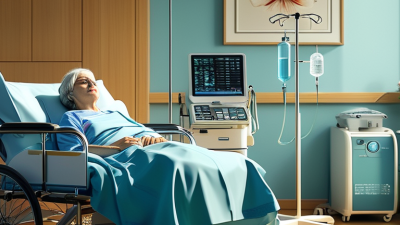
Patient handling equipment plays a crucial role in healthcare settings. These devices enhance safety and efficiency for both patients and caregivers. Proper equipment minimizes the risk of injury during transfers. For example, using a patient lift can reduce the strain on caregivers' bodies. It also promotes dignity for the patient, allowing smoother transitions between locations.

The importance of these tools cannot be overlooked. Many injuries in healthcare arise from manual handling. Additionally, inadequate equipment can lead to complications during patient care. Efficiency isn't just about speed; it’s about ensuring each patient feels comfortable and secure. Investing in the right equipment reflects an institution's commitment to staff safety and patient well-being.

Reflecting on common challenges can help improve practices. Often, staff may not be fully trained to use equipment effectively. This gap can lead to hesitations during patient transfers, affecting workflow and safety. Regular training sessions and hands-on practice can address this issue. Adopting an organized approach to equipment use can ultimately lead to a safer environment for everyone involved.

Criteria for Evaluating Safety and Efficiency in Patient Handling

When evaluating patient handling equipment, safety and efficiency are paramount. Effective equipment reduces injuries among healthcare workers and enhances patient comfort. According to a report by the Occupational Safety and Health Administration (OSHA), patient handling injuries account for approximately 35% of all workplace injuries in healthcare. Thus, choosing the right equipment can significantly influence workplace safety.

One key criterion for evaluating equipment is its ergonomic design. Equipment should accommodate the natural movements of staff and patients. A study indicated that using ergonomic tools can reduce the risk of injury by 50%. Consider devices that allow for easy maneuverability and minimal manual lifting. This not only protects staff but also ensures smoother transfers for patients.

Regular training on equipment usage is essential. Healthcare workers must understand how to operate the tools efficiently. Statistics show that facilities with ongoing training programs see a reduction in patient handling injuries. It's important to frequently assess the equipment and procedures in place. Are they truly meeting safety standards? Continuous evaluation fosters an environment of safety and efficiency. By reassessing protocols and tools, healthcare facilities can adapt and improve patient handling practices.

Top 10 Recommended Patient Handling Equipment for Healthcare Settings

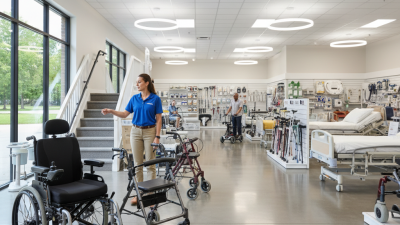
In healthcare, ensuring safety and efficiency in patient handling is crucial. Investing in the right equipment can significantly improve the quality of care. Among the top recommended equipment are hoists, slings, and patient transfer boards. These tools not only ease the physical strain on healthcare staff but also enhance patient comfort.

Proper training in the use of these devices is essential. Staff should understand how to operate them safely to prevent accidents. Regular maintenance checks can help address any equipment issues promptly. Reflecting on past incidents can guide better practices.

When selecting equipment, consider the specific needs of patients. Different conditions require different handling techniques. Evaluate the size, weight, and mobility of patients before making decisions. This approach ensures safety and promotes efficiency in daily operations.

Best Practices for Implementing Patient Handling Equipment

Implementing patient handling equipment can significantly improve safety and efficiency in healthcare settings. To achieve the best outcomes, staff must receive thorough training on using this equipment. This includes understanding the mechanical aspects and ergonomics to minimize the risk of injury. Regular workshops can help reinforce skills and update knowledge on new techniques.

Another important factor is to encourage open communication among team members. Regularly discussing challenges faced during patient handling can lead to shared solutions, creating a safer work environment. Each staff member should feel comfortable voicing concerns. Monitoring equipment usage is also essential. Frequent inspections ensure that tools remain in good condition.

One cannot overlook the importance of patient involvement. Educating patients about the handling equipment can ease anxiety and promote cooperation. However, inconsistencies in patient cooperation can make this process challenging. Each facility must adapt its strategies to cater to its unique patient demographic. Continuous feedback and reflection on practices will enhance the overall handling process and elevate safety standards in patient care.

Training Healthcare Staff on Safe Patient Handling Techniques

Training healthcare staff on safe patient handling techniques is essential. Effective training reduces the risk of injury for both staff and patients. Programs should cover body mechanics, use of equipment, and situational awareness. Engaging staff in simulations helps reinforce learning. Hands-on practice is crucial for building confidence and competence.

Healthcare providers often overlook the emotional aspects of patient handling. Staff may feel stressed or rushed, impacting their performance. Incorporating mindfulness techniques can help staff stay focused during patient transfers. Additionally, regular training refreshers keep safety protocols top of mind.

Assessing the training program’s effectiveness is vital. Feedback from staff can identify areas for improvement. Observational audits can also reveal gaps in skill application. Continuous evaluation fosters a culture of safety and supports ongoing development in patient handling practices. Ultimately, a comprehensive approach ensures both staff confidence and patient safety.

Top 10 Patient Handling Equipment to Improve Safety and Efficiency

Equipment Purpose Key Features Benefits
Patient Lifts Assist in transferring patients Hydraulic and electric options, adjustable height Reduces risk of injury, enhances patient comfort
Transfer Boards Facilitates sliding transfer Smooth surface, portable design Minimizes physical strain, increases efficiency
Wheelchairs Transport patients Lightweight frame, foldable Enhances mobility, easy storage
Gait Belts Support during walking Adjustable size, secure buckle Increases safety, provides confidence
Slings Support patients in lifts Varied sizes and materials Tailored support, comfort for patients
Overhead Tracks Facilitate patient movement Fixed installations, customizable paths Reduces manual handling, enhances space
Patient Room Chairs Comfortable seating for patients Adjustable height, movable Improves patient experience, easy to use
Shower Chairs Support bathing Water-resistant materials, wheeled Promotes hygiene, safe bathing
Electric Beds Adjustable bed height Multiple positions, remote-controlled Enhances comfort, facilitates care
Compression Stockings Prevent blood clots Elastic material, various sizes Reduces hospital stays, supports recovery