How to Choose the Right Handicap Equipment?
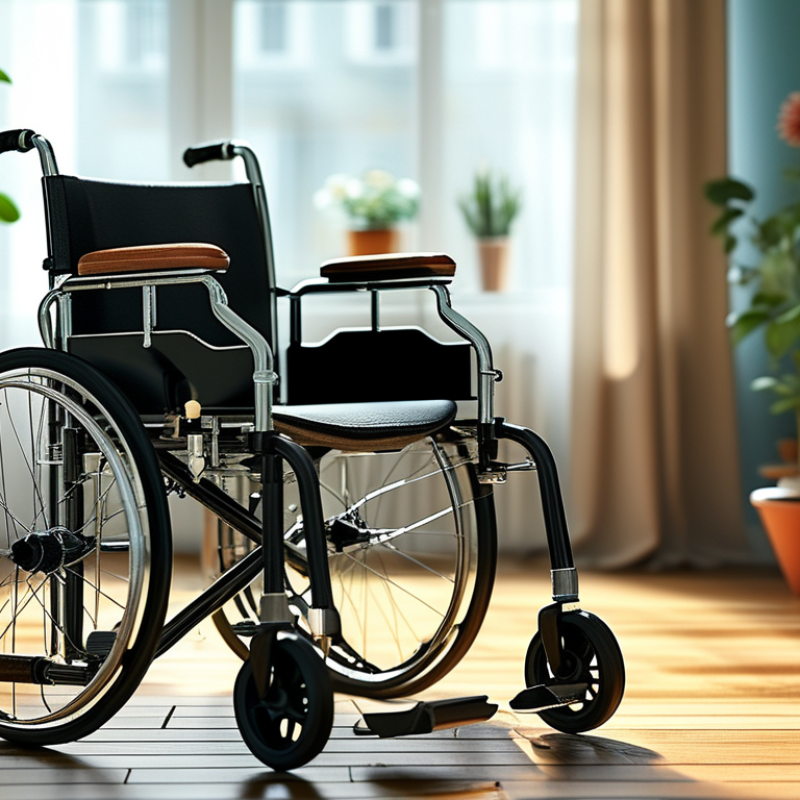
Choosing the right handicap equipment is not about selecting the most expensive product. It is about matching equipment to a person’s body, routine, environment, and goals. A wheelchair used inside a narrow apartment may need a tighter turning radius. A walker used outdoors may require larger wheels, stronger brakes, and a comfortable handgrip. Small details can change daily safety.
Dr. Rory A. Cooper, a respected wheelchair researcher and founder of the Human Engineering Research Laboratories, has said, “A wheelchair is not a medical device. It is a mobility device.” His observation highlights an important point: effective handicap equipment should support independence, not simply manage a limitation. The right choice can make a kitchen easier to use, reduce fatigue during a shopping trip, or help someone transfer from a chair with greater confidence.
Yet product descriptions rarely tell the whole story. A lightweight frame may be easier to lift but less stable on uneven ground. Extra features can help, but they can also add weight, maintenance, and cost. We sometimes assume more technology means better support. That assumption deserves questioning.
A reliable decision begins with practical evidence. Consider measurements, transfer ability, grip strength, flooring, travel habits, and caregiver support. When possible, test the equipment in realistic settings. Speak with an occupational therapist, physical therapist, or qualified mobility specialist. Their assessment can reveal risks that online reviews miss. Comfort matters too.
There is no universal solution. The best handicap equipment is the option that fits real life, not just a product photograph. Reassessment is necessary, because needs can change. A careful choice today may still require adjustment tomorrow.
Understanding Individual Accessibility Needs
Choosing the right handicap equipment begins with the person, not the product.
The World Health Organization estimates that 2.5 billion people need assistive products worldwide. That number may reach 3.5 billion by 2050, according to the Global Report on Assistive Technology. Needs vary with strength, balance, vision, cognition, home layout, and daily routines.
An occupational therapist can assess transfers, reach, posture, and fatigue in real situations. A wheelchair user may need a narrower frame for a bathroom doorway, while another may require stronger trunk support.
Measure door widths, floor surfaces, seat height, and turning space before purchasing. Small details matter. The Centers for Disease Control and Prevention reports that one in four U.S. adults lives with a disability. Yet a standard solution may still fail one person completely.
Try equipment with supervision whenever possible. Check whether handles feel secure, brakes respond smoothly, and controls remain reachable after several minutes. Ask the user to describe discomfort, embarrassment, or hesitation; these details are often overlooked.
My own practical view is that fit should be reviewed after real use, not just during a showroom trial. People’s routines change. Equipment can also become unsuitable after pain, weight, vision, or mobility changes. I may overestimate how simple selection appears, because the best choice depends on information that is difficult to measure.
Identifying the Main Types of Handicap Equipment
How to Choose the Right Handicap Equipment?
Identifying the Main Types of Handicap Equipment
The right equipment begins with the person’s routine, not a product label. The World Health Organization and UNICEF reported in 2022 that over 2.5 billion people need assistive technology worldwide. This figure may exceed 3.5 billion by 2050. Mobility equipment includes wheelchairs, walkers, canes, and transfer aids. Each option supports a different movement pattern. A walker may suit short indoor trips, while a wheelchair can reduce fatigue across longer distances. Fit matters. Poor seat depth can create pressure and unstable posture.
Bathroom and transfer equipment deserve careful attention. Raised toilet seats, shower chairs, grab bars, and patient lifts can reduce slipping and unsafe lifting. Check floor texture, doorway width, turning space, and chair height. Communication and sensory equipment form another major group. Examples include speech-generating devices, captioning tools, hearing support, and visual alert systems. Daily-living aids, such as dressing sticks and adapted utensils, support independence with smaller tasks. The CDC’s 2023 disability report found that about one in four adults in the United States has a disability, showing how widely these needs affect households.
A qualified occupational or physical therapist should assess strength, balance, posture, and home layout. A catalogue cannot measure a narrow hallway. It cannot observe how someone rises after lunch. Selection also depends on maintenance, caregiver ability, transport, and future changes. The perfect checklist does not exist. My own judgement would need revision after watching real use, especially during tired moments. Professional assessment and user feedback make the final choice safer and more dependable.
How to Choose the Right Handicap Equipment?
Identifying the Main Types of Handicap Equipment
Assistive equipment should be selected according to the user’s mobility, communication, sensory, self-care, and postural-support needs. The chart shows the number of representative equipment examples in each major category. These counts describe the examples presented, not market share, demand, or sales volume. A professional assessment should also consider fit, safety, environment, adjustability, and the user’s daily activities.
Representative examples: mobility—wheelchairs, walkers, canes, crutches; daily living—grab bars, shower chairs, raised toilet seats, dressing aids; communication—AAC devices and communication boards; hearing—hearing aids and cochlear implants; vision—white canes, magnifiers, and screen readers; prosthetics and orthotics—prosthetic limbs, braces, and orthoses.
Comparing Safety, Comfort, Function, and Compatibility
Choosing handicap equipment requires more than checking its advertised features. Safety should guide every comparison. Inspect brake strength, frame stability, weight limits, and anti-slip surfaces. A transfer bench should remain steady when a person sits or turns. A walking aid should have handles at a comfortable height. Test it on the actual floor, not only in a showroom. Small details matter.
Tips:
Measure doorways, bathroom spaces, and vehicle storage areas before buying. Check whether wheels, cushions, or batteries need regular maintenance. Ask an occupational therapist or qualified healthcare professional to assess posture and movement. Their experience can reveal risks that product descriptions miss. Also, confirm the equipment suits the user’s weight, strength, balance, and daily routine.
Comfort affects safety, too.
Hard seating can create pressure after several minutes, while loose straps may cause poor positioning. Choose adjustable supports and breathable materials when possible. Function must match real needs, not imagined ones. Someone needing help in the bathroom may require a different solution from someone traveling outdoors. Compatibility is often overlooked. Measure the user, the equipment, and the surrounding space twice. I once assumed a mobility aid would fit beside a bed, but the turning space was too narrow. That mistake was avoidable. No choice is perfect. Recheck the equipment after use, because needs and confidence can change.
Selecting, Testing, and Reviewing the Final Equipment Choice
Choosing the right handicap equipment begins with the person, not the product. An occupational therapist or qualified mobility specialist can assess strength, balance, posture, and daily routines. Measure doorways, seat heights, bathroom spaces, and vehicle access before comparing options. A wheelchair that fits a clinic may fail in a narrow hallway.
Testing should happen in real conditions. Sit in the equipment for at least fifteen minutes. Check whether the feet rest firmly, the controls feel natural, and the brakes respond without excessive force. Walk across uneven flooring if safe. Try transfers from a bed, toilet, or car seat. I once overlooked armrest height during a trial, and it made reaching a table surprisingly difficult. Small details matter.
Tips: Bring your usual shoes and cushion. Record measurements. Ask how adjustments work. Test both sides of the body. Have a trusted person observe movement and comfort. Never rely on appearance alone.
Review the final choice after several days, not just during a showroom demonstration. Look for red marks, shoulder strain, loose parts, or new fatigue. Keep notes about comfort, independence, maintenance, and transport. A device may perform well yet remain inconvenient to clean or store. Ask a qualified professional to review any persistent pain or instability. Confirm the equipment includes clear instructions, suitable support, and a reasonable repair process. My first choice would not always be the final choice; real use can reveal weaknesses that a careful trial misses.







 USA
USA Human Care International
 Human Care Canada
 Human Care Sweden
  Human Care Netherlands
  Human Care Germany
  Kenmak Kenmak
  Petermann