Top Free Medical Equipment for Seniors Worldwide?
Finding reliable free medical equipment for seniors can feel like searching through a maze. Availability changes by country, region, and household income. Some programs offer wheelchairs, walking frames, shower chairs, blood pressure monitors, or hearing support devices. Others provide short-term loans instead of permanent ownership.
A sturdy walker can make a narrow hallway safer, while a raised toilet seat may reduce painful bending. These small changes often support independence at home. However, equipment should match the user’s mobility, strength, diagnosis, and living space. A clinician, occupational therapist, or trained community worker can help confirm the correct size and safe adjustment. A poorly fitted wheelchair or walker may create new hazards.
This guide examines trusted routes to obtain free medical equipment for seniors worldwide. These routes may include public hospitals, local health departments, community rehabilitation centers, nonprofit organizations, senior-service agencies, and verified donation programs. “Free” does not always mean effortless. Applications, medical assessments, deposits, waiting lists, or return conditions may apply. Policies also differ widely, even within one country.
No directory stays perfect. Programs close, funding changes, and contact details become outdated. Therefore, readers should verify information directly with official providers and ask about cleaning, maintenance, warranties, and delivery. Used equipment can be valuable, but damaged brakes, weak batteries, or missing parts require careful inspection. Safety matters more than convenience. This overview aims to offer practical direction, not personal medical advice, while recognizing that every senior’s needs are different.
Understanding Free Medical Equipment Programs for Seniors Worldwide
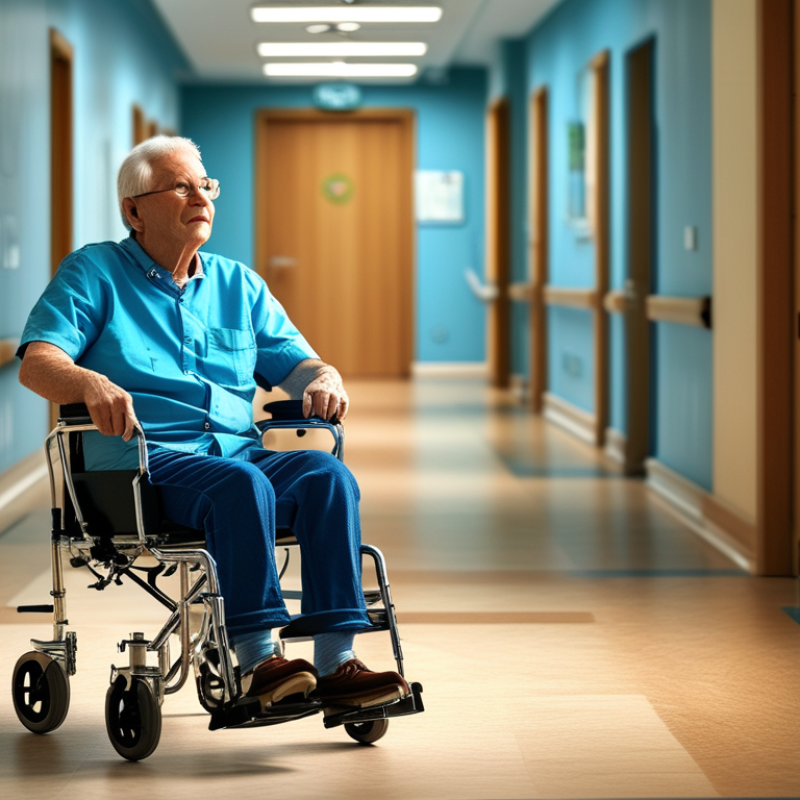
Free medical equipment programs can help older adults remain safe at home. Yet “free” does not always mean permanently owned. In many countries, public health departments, hospitals, disability services, charities, and community centers coordinate these services. Common items include walkers, wheelchairs, shower chairs, crutches, and adjustable beds. Some programs lend equipment, while others provide refurbished items or financial assistance. Rules vary widely. Applicants may need a prescription, a needs assessment, proof of income, or local residency. An occupational therapist or nurse can match the device to height, balance, strength, and home layout. This step matters. A poorly fitted walker can increase fall risk instead of reducing it.
Reliable information usually comes from municipal health offices, hospital social workers, community aging centers, and official public-service websites. Ask whether delivery, maintenance, batteries, repairs, and return conditions are included. Before accepting a used device, inspect brakes, wheels, cables, labels, and weight limits. Clean surfaces carefully, but do not assume cleaning solves every safety concern. Medical equipment can hide wear. It is also wise to request written instructions and a contact person for problems. Language access and transport support may be available, but they are often overlooked. The process can feel slow, especially when several agencies share responsibility. That weakness deserves honest attention. Keep copies of forms and record every call. Small details can prevent a long delay.
Types of Medical Equipment Commonly Available at No Cost
Many older adults access medical equipment through public health services, charities, community clinics, or hospital loan programs. Availability depends on income, disability status, location, and local funding.
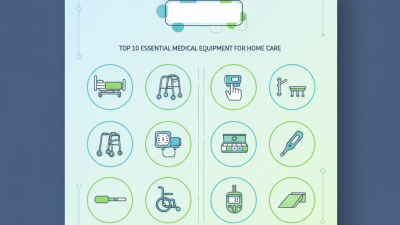
Mobility aids are among the most common free items. These may include walking canes, crutches, walkers, wheelchairs, and transfer boards. Some programs also provide bedside commodes, shower chairs, raised toilet seats, and grab rails. These tools can make a narrow hallway safer and reduce pressure on weak knees.
The World Health Organization and UNICEF estimate that 2.5 billion people need assistive products worldwide. This figure could exceed 3.5 billion by 2050, according to the Global Report on Assistive Technology.
Basic monitoring devices may also appear in public lending schemes. Examples include blood-pressure monitors, thermometers, glucose meters, and pulse oximeters. Home-care services sometimes supply pressure-relief cushions, hospital beds, or portable ramps at no charge. Hearing support and vision aids may be available through social insurance or disability programs, but access varies sharply between countries.
Free does not mean appropriate.
A poorly adjusted walker can increase fall risk. Staff should check height, weight limits, brake function, and safe use before delivery. WHO reports that access remains unequal, especially in low-income settings. Some equipment arrives used or without clear instructions. That deserves careful review, not blind acceptance. Availability must be confirmed with local health authorities because eligibility rules change.
Eligibility Requirements and Assessment Procedures
Top Free Medical Equipment for Seniors Worldwide?
Eligibility Requirements and Assessment Procedures
Free medical equipment may include walkers, wheelchairs, hearing devices, shower chairs, or pressure-relief mattresses. Availability differs widely between countries and regions. Public health services, disability programs, community charities, and insurance systems may fund these items. “Free” often means approved after assessment, not automatically available to every older adult.
Eligibility commonly depends on medical need, age, residency, household income, and daily safety risks. A senior may need a referral from a doctor, nurse, physiotherapist, or occupational therapist. Documents can include identification, medical records, income evidence, and proof of address. Requirements are not universal. They may change without clear public notice.
The assessment usually begins with an interview about walking, bathing, dressing, and living conditions. A trained professional may observe balance, hand strength, vision, and transfer ability. Home visits can reveal narrow doors, loose rugs, or unsafe stairs. The assessor then recommends suitable equipment, its size, and required adjustments. Some services provide a short trial before approval. Follow-up checks should confirm safe use and continued need. An item that looks helpful may create falls if poorly fitted. I have seen guidance treated as complete when follow-up was missing. That gap deserves attention. Applicants should request written reasons for delays or refusals and ask about review procedures. Local health authorities can explain current rules more reliably than informal online advice.
How Seniors Can Find and Request Free Equipment Locally
Finding free medical equipment locally starts with a specific need, not a general search. Ask a doctor, nurse, or occupational therapist to describe the safest device for your daily routine. A walking frame, shower chair, hearing aid, or hospital bed may require different approval processes. Write down the equipment name, required size, and medical reason.
Contact your local health department, senior services office, disability support center, or community clinic. Ask about loan programs, refurbished equipment, and charitable grants. Public hospitals may know registered nonprofit groups that lend devices. Religious and community organizations sometimes help with transport, too. Keep your request clear: explain your condition, income concerns, home location, and urgency. Some offices require a prescription, identity document, or proof of residence.
Ask whether the equipment is clean, tested, adjustable, and suitable for your weight and height. Request delivery and setup details before accepting it. A used wheelchair may look helpful but have weak brakes or a damaged cushion. Do not ignore small faults. Safety comes first.
Rules differ widely between countries and even nearby towns. Call again if the first answer is unclear. It is easy to miss a program because information is scattered. I would also question one assumption: “free” does not always mean cost-free. Repairs, batteries, deposits, or transport may still apply. Get those details in writing when possible.
Safety, Maintenance, and Replacement of Donated Medical Devices
Top Free Medical Equipment for Seniors Worldwide?
Donated walkers, canes, wheelchairs, shower chairs, and blood pressure monitors can improve daily life for older adults. However, free does not mean ready for use. A device should be checked by a qualified health worker or trained technician before it reaches a senior. Inspect loose screws, cracked frames, worn rubber tips, damaged cables, and missing labels. Test brakes and height adjustments on a clear, flat surface.
Keep the user’s condition in mind. A walker may suit one person but increase fall risk for another. Blood pressure monitors need correct cuff size and periodic comparison with a trusted clinical device. Electrical equipment requires intact plugs, dry storage, and working alarms. Batteries can fail quietly. That detail is easy to miss. Clean surfaces with a method suitable for the material, and never soak electrical parts. Record inspection dates, repairs, and cleaning in a simple log.
Replacement should happen when safety cannot be restored, not only when equipment looks old. Bent frames, unstable wheels, repeated alarm failures, or inaccurate readings deserve professional review. Local clinics, rehabilitation services, and municipal programs may provide testing or replacement pathways. Availability differs worldwide, so advice should follow local medical guidance and disposal rules. I used to think careful cleaning solved most problems. It does not. Hidden damage, poor fitting, and unclear instructions can still harm a careful user.
Top Free Medical Equipment for Seniors Worldwide: Safety, Maintenance, and Replacement of Donated Devices
The global population aged 60 and older is increasing rapidly, creating greater demand for safe, well-maintained, and appropriately replaced donated medical equipment.
Planning insight: Before donation, inspect equipment for damage, cleanliness, electrical safety, missing parts, and clear operating instructions. During use, follow the recommended maintenance schedule. Replace devices when they are unsafe, unreliable, structurally damaged, or no longer suitable for the user.
Source: World Health Organization, “Ageing and health” fact sheet. Population figures are global estimates for people aged 60 and older.


 USA
USA Human Care International
 Human Care Canada
 Human Care Sweden
  Human Care Netherlands
  Human Care Germany
  Kenmak Kenmak
  Petermann