What Are the 2026 Top Types of Medical Lift Equipment?

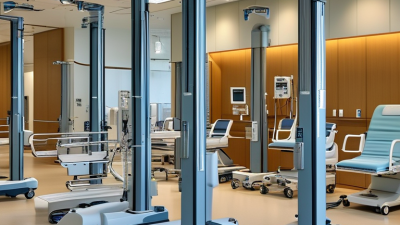
Medical lift equipment is becoming more specialized as hospitals, care homes, and home-care teams face heavier patients and tighter staffing. The leading 2026 categories include ceiling lifts, mobile floor lifts, sit-to-stand lifts, bath lifts, and track-mounted systems. Each design solves a different transfer problem.

A ceiling lift can move a patient smoothly from bed to wheelchair, reducing twisting for caregivers. Mobile floor lifts offer flexibility when rooms lack permanent tracks. Sit-to-stand models support patients who retain some leg strength but need controlled assistance. Bath lifts add stability around wet surfaces, where slips can happen quickly. Track systems can connect several rooms, although installation costs and ceiling strength require careful assessment.

Audrey Nelson, PhD, RN, FAAN, a recognized safe patient-handling researcher, emphasized this principle: “No one should be injured while providing patient care.” Her message remains practical. Equipment should protect both people.

The best choice depends on mobility, body weight, room layout, sling compatibility, and staff training. It also depends on dignity.

A quiet motor matters.

A rushed transfer can still fail, even with advanced equipment. That is an uncomfortable point. Purchasing decisions sometimes focus on price, while maintenance, cleaning, battery checks, and staff confidence receive less attention. This article examines the most important medical lift equipment types expected in 2026, using clinical practicality rather than marketing claims. It also considers where each system performs well, where it creates limitations, and which details deserve closer review before purchase. Trends may change, and no universal ranking fits every care environment.
What Are the 2026 Top Types of Medical Lift Equipment?

What Is Medical Lift Equipment and Why Is It Important in 2026?

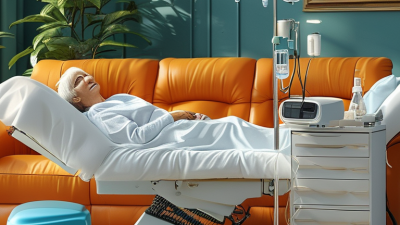
Medical lift equipment includes powered or manual devices that help transfer people with limited mobility. Common examples include ceiling lifts, mobile floor lifts, sit-to-stand lifts, and bath lifts. In 2026, these tools matter because hospitals and home-care services face more complex mobility needs. A safe transfer can reduce falls, skin injuries, and strain on caregivers.

The right lift depends on the person, not only the room. A ceiling lift may suit repeated transfers between a bed and wheelchair. A mobile floor lift can offer flexibility across several rooms. Sit-to-stand equipment supports users who can bear some weight, while bath lifts assist with controlled lowering and rising. Weight capacity, sling fit, battery status, emergency lowering, and floor clearance require careful checks.

Small details matter. A poorly positioned sling can cause discomfort or unsafe pressure. Staff should inspect straps, wheels, and controls before each use. Training must include communication with the user, because fear can make movement harder. No device solves every transfer problem. Care plans should be reviewed when strength, balance, or medical condition changes. Some equipment seems efficient but may not fit narrow doors or uneven flooring. That limitation is easy to miss. Professional assessment and clear maintenance records make lift use more reliable, although real-world routines still need regular reflection.

What Are the 2026 Top Types of Medical Lift Equipment?

Medical lift equipment helps caregivers transfer, reposition, or bathe patients with reduced mobility while lowering manual-handling risks. The chart compares representative rated safe working loads commonly specified for clinical equipment; actual limits vary by model and configuration.

Mobile floor lifts and ceiling lifts are widely used for full-body transfers. Sit-to-stand lifts support partially weight-bearing patients, while bath lifts and powered transfer chairs address bathing and short-distance transfer needs. Always verify the manufacturer’s rated capacity and conduct an individual patient risk assessment before use.

What Are the Main Types of Medical Lift Equipment?

What Are the Main Types of Medical Lift Equipment?

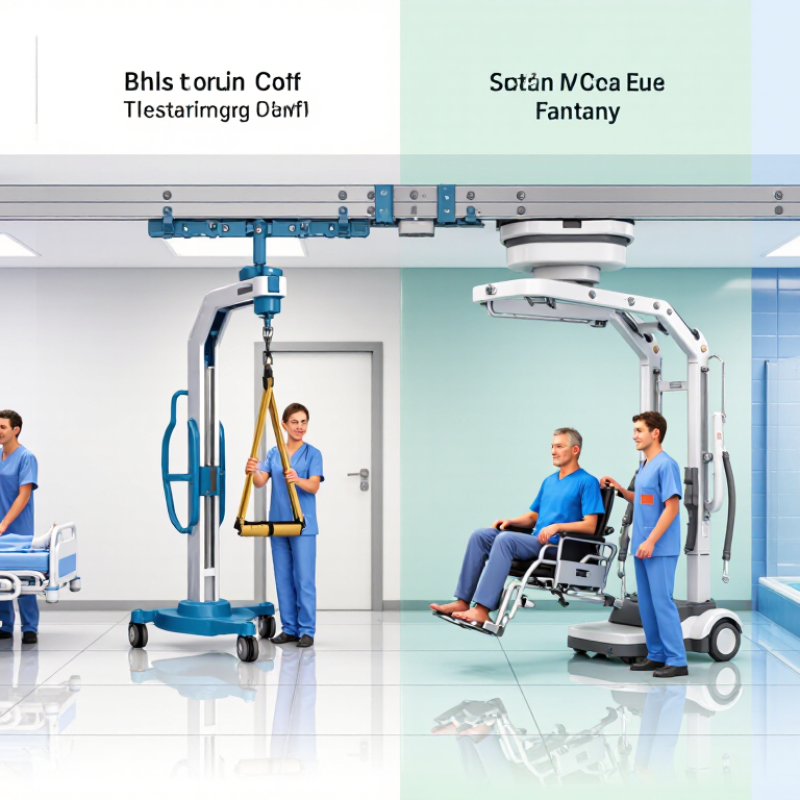
Medical lift equipment generally falls into five practical groups: mobile floor lifts, ceiling lifts, sit-to-stand lifts, bath lifts, and transfer aids. Mobile floor lifts use a wheeled base and sling to move a patient between a bed and wheelchair. Ceiling lifts follow a fixed track, reducing floor congestion and caregiver pushing. Sit-to-stand lifts support patients with partial leg strength. Bath lifts lower users slowly into tubs. Transfer boards and powered transfer chairs help with shorter movements.

The need is substantial. The WHO and UNICEF Global Report on Assistive Technology estimates that more than 2.5 billion people need assistive products worldwide. That figure may exceed 3.5 billion by 2050. These figures include mobility equipment, not only hospital lifts, but they show the wider demand clearly. In practice, room width, patient weight, trunk control, and caregiver training determine the safest option. A lift that fits the patient may still fail in a cramped bathroom.

Details matter. Check sling positioning, emergency lowering, battery status, and clearance around the bed. Small gaps can create large risks. Ceiling systems often improve handling efficiency, yet installation costs and structural limits need careful review. Mobile lifts offer flexibility, but their bases can strike furniture or feet. No device is perfect. Even experienced staff can choose poorly when assessments are rushed. The most reliable process combines manufacturer instructions, occupational therapy input, documented training, and repeated observation of real transfers. WHO’s report also warns that access alone is insufficient; suitable products, maintenance, and user support must work together.

How Does Each Medical Lift Type Work?

Medical lifts are becoming essential as ageing populations and complex care needs expand. The WHO and UNICEF Global Report on Assistive Technology (2022) estimates that over 2.5 billion people need at least one assistive product. By 2050, that figure may exceed 3.5 billion.

Floor-based full-body lifts use an electric actuator to raise a person in a sling. Caregivers then steer the lift between a bed, chair, or toilet. They suit users with limited weight-bearing ability.

Ceiling lifts use a motor running along a fixed track. The motor lifts and lowers the sling with less manual pushing. They can reduce floor clutter, but installation needs structural assessment.

Sit-to-stand lifts work differently. A padded knee support stabilizes the legs, while a foot platform and powered arm guide the user upward. The person must retain some leg strength and trunk control. These lifts support transfers rather than full suspension.

Bath lifts lower a seated user into a tub and raise them again through a powered platform. Portable models offer flexibility, though they may require more careful positioning.

The 2023 Bureau of Labor Statistics data continue to show high injury exposure in healthcare and social assistance work, reinforcing the need for engineered handling solutions. Still, a lift does not replace clinical judgment. That part is often underestimated.

Tips: Match the lift to the person, not only the room. Check sling size, attachment points, battery status, and caregiver training before every transfer. A trial transfer can reveal problems that a specification sheet misses. Record discomfort, instability, or awkward steering, then reassess the equipment with a qualified therapist or safety professional.

Which Medical Lifts Suit Different Patient Care Settings?

What Are the 2026 Top Types of Medical Lift Equipment?

Medical lifts should match the patient, caregiver, room, and transfer task. A ceiling lift suits hospitals, rehabilitation rooms, and long-term care spaces with frequent transfers. It keeps floor areas clear and can support smoother movement between a bed and a chair. However, installation limits may make it unsuitable for older buildings.

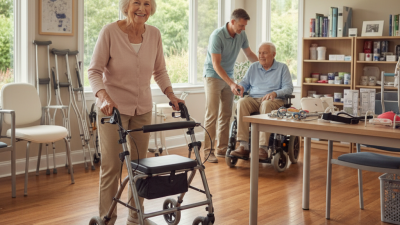
Mobile floor lifts work well in shared rooms, home care, and facilities needing flexible equipment. They can move between beds, wheelchairs, and toilets. Standing lifts are useful for patients who can bear some weight but need balance support. Full-body sling lifts offer more assistance for patients with limited strength or poor trunk control. Bath lifts and pool lifts address wet-area transfers, where slipping risks increase.

Tips: Measure doorways, bed height, turning space, and floor condition before selection. Check the patient’s weight, mobility, skin condition, and ability to follow instructions. Use the correct sling size, and inspect straps before every transfer. Staff training matters as much as equipment choice. A rushed transfer can still fail with excellent machinery. In practice, teams sometimes choose a larger lift for safety, but it may reduce room access and caregiver control. Reassess the setup after changes in patient condition.

What Safety and Selection Factors Should Buyers Consider?

In 2026, medical lift equipment selection should begin with the patient, not the product category.

Common options include mobile floor lifts, sit-to-stand lifts, ceiling lifts, and bath or pool lifts. Each type supports different mobility levels, room layouts, and transfer routines.

A full-body lift may suit a patient with limited weight-bearing ability. A sit-to-stand model may work better for someone with reliable leg strength.

Fit matters.

Safety depends on more than lifting capacity. Buyers should check sling compatibility, emergency lowering, battery status indicators, wheel locks, and control accessibility.

The equipment must match the patient’s weight, body shape, condition, and transfer goals. Staff also need practical training, not just a short demonstration.

Poor positioning can cause sliding, discomfort, or skin injury. Small details matter.

Room measurements deserve equal attention.

Measure doorway widths, bed clearance, ceiling height, turning space, and floor surfaces before ordering. A lift that works in a showroom may fail beside a crowded hospital bed.

Buyers should review maintenance schedules, inspection records, cleaning requirements, and service support. Local healthcare rules and the supplier’s instructions also require careful review.

No assessment is flawless.

Patient needs can change quickly, so reassess equipment after surgery, weight changes, falls, or reduced strength.

Choosing the cheapest option may seem efficient, but an unsuitable lift can increase staff strain and transfer risk. Reliability should be judged through documented testing, clear training materials, and responsive technical support.